


Pop quiz: What’s the world’s most popular distilled spirit? Hint — it’s not whiskey, or vodka, or bourbon. If you’re still stumped, then you might be surprised to learn that the most widely consumed distilled spirit in the world is Baijiu (pronounced bye-joe).
Baijiu Gets the Popular Vote
Stay Informed: Sign up here for the Distillery Trail free email newsletter and be the first to get all the latest news, trends, job listings and events in your inbox.
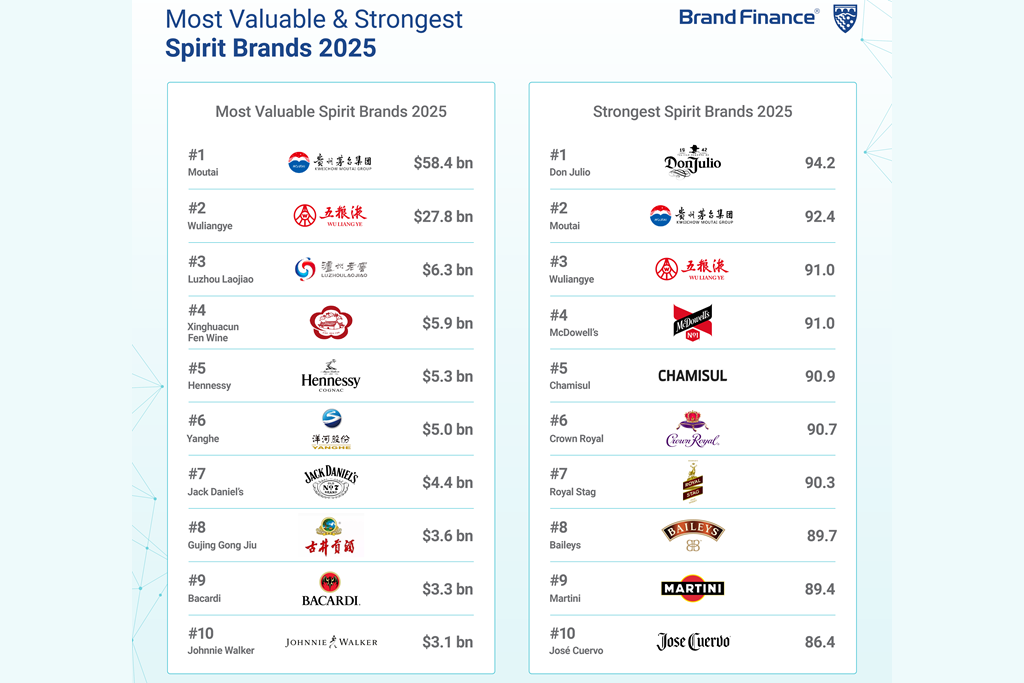
Thanks to China’s huge population, baijiu accounts for almost a third of global spirits sales — though only a small amount can be found outside its borders. In recent rankings by Brand Finance Spirits latest report, baijiu continued to dominate across all spirits categories.
According to the report, baijiu brands took up not only the top spot but the top four spots with China based Moutai maintaining its position as the world’s most valuable spirit brand. In 2025 Moutai was valued at a whopping $58.4 billion. Further down on the list you can see Jack Daniel’s in 7th place at $4.4 billion, Bacardi in 9th with $3.3 billion and finally Johnnie Walker in the 10th spot at $3.1 billion.
So why hasn’t the rest of the Western world embraced baijiu? Well, there are several factors to consider.
For one, even though China has been making the spirit for centuries, the modern baijiu industry didn’t really take shape until after the 1950s. During that time, China was still largely a Communist country isolated from much of the world.
It wasn’t until the 1980s that baijiu brands began to appear in the US. It’s taken some time, but within the last decade more restaurants, bars, and retailers have offered the spirit with sales steadily increasing to non-Chinese consumers.
Another reason for its slow adoption in the West might be because many consumers outside of China still don’t quite understand what baijiu is — most people have never even heard of it.
What Is Baijiu and What are the Main Styles?
Baijiu literally translates to “white spirit.” Unlike other spirits, baijiu isn’t regulated in any official capacity. Instead, the industry generally recognizes the Chinese white liquor by four main styles — though there are a multitude of sub-categories to explore, if you’ve got the palate for it:
- Rice Aroma: This style originates in the southern Guangxi province. As its name suggests, this style is crafted from rice, which gives this light spirit with a sweeter, more floral tone. It is often compared to Japanese Saké.
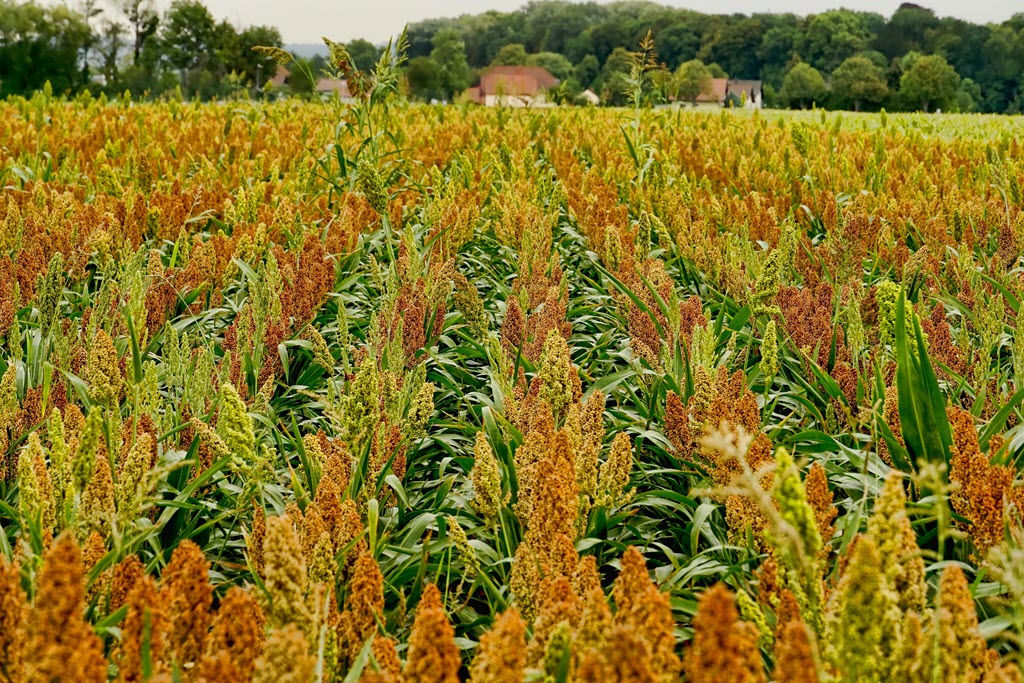
- Light Aroma: This style is most prominent in China’s northern regions, particularly in and around Beijing. Fermented from sorghum, light aroma baijius are identified by their delicate, dry flavor and ABVs as high as 56%.
- Strong Aroma: China’s most traditional and widely consumed style is the strong aroma varietal. Made with at least two different grains and fermented belowground in mud pits, this style boasts a potent overripe flavor profile.
- Sauce Aroma: Consumers of this style say the drink’s savory characteristic resembles that of soy sauce. Remember Moutai — the world’s most valuable spirit brand? It’s expensive for a reason. This premium liquor is produced in the Guizhou province and involves multiple fermentations over the course of about a year, followed by an eight-cycle distillation.
In an interview with CNN, Bill Isler, co-founder of the world’s first baijiu-themed bar suggested that “vodka or gin drinkers may tend to the light aroma type, whereas whiskey or rum drinkers may prefer the strong aroma type,” where flavor is concerned.
How Does the TTB Define Baijiu?
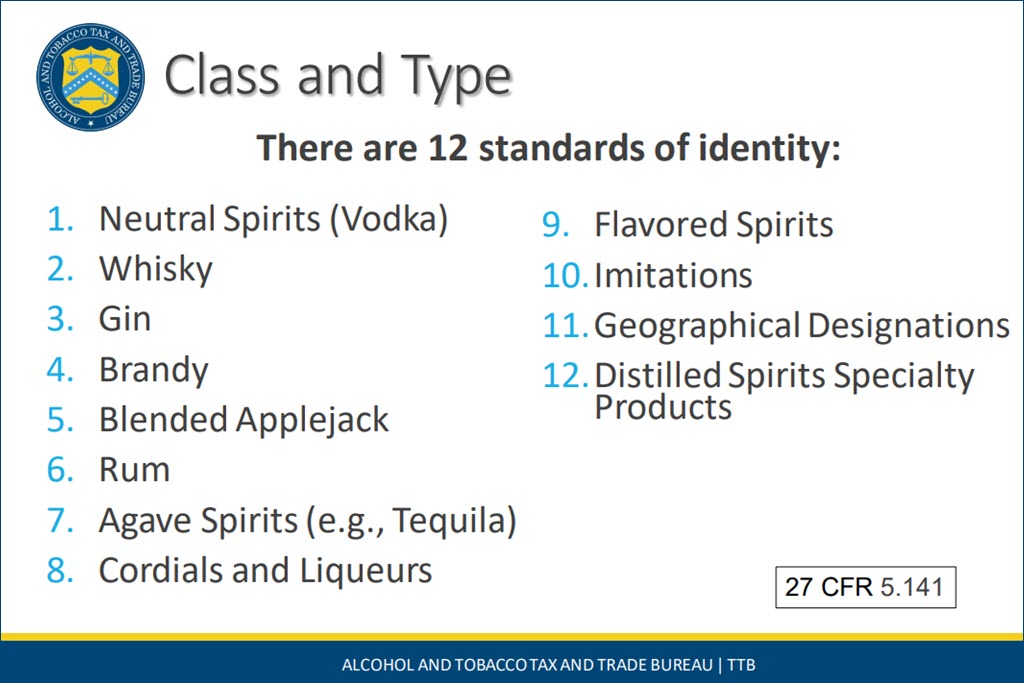
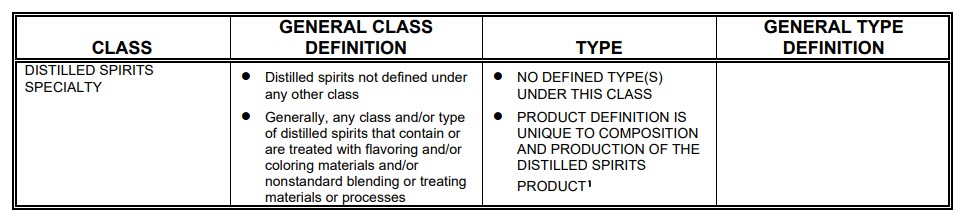
Even the TTB – Alcohol and Tobacco Tax and Trade Bureau, the alcohol authority in the US, doesn’t recognize baijiu as an official product or category. A search of the TTB.gov website comes up with zero results. Since baijiu is grain based, the TTB lumps it under the Distilled Spirits Specialty (DSS) category.
A Distilled Spirits Specialty is any alcoholic product that does not fit the standard of identity of established categories like Whiskey, Rum, Vodka, or Gin. This classification applies when spirits are treated with non-standard flavors, colors, or processing methods, requiring a specific statement of composition rather than a traditional class name. Baijiu labels in the US often describe it as ‘Spirits Distilled from Grain.’
How is Baijiu Made?
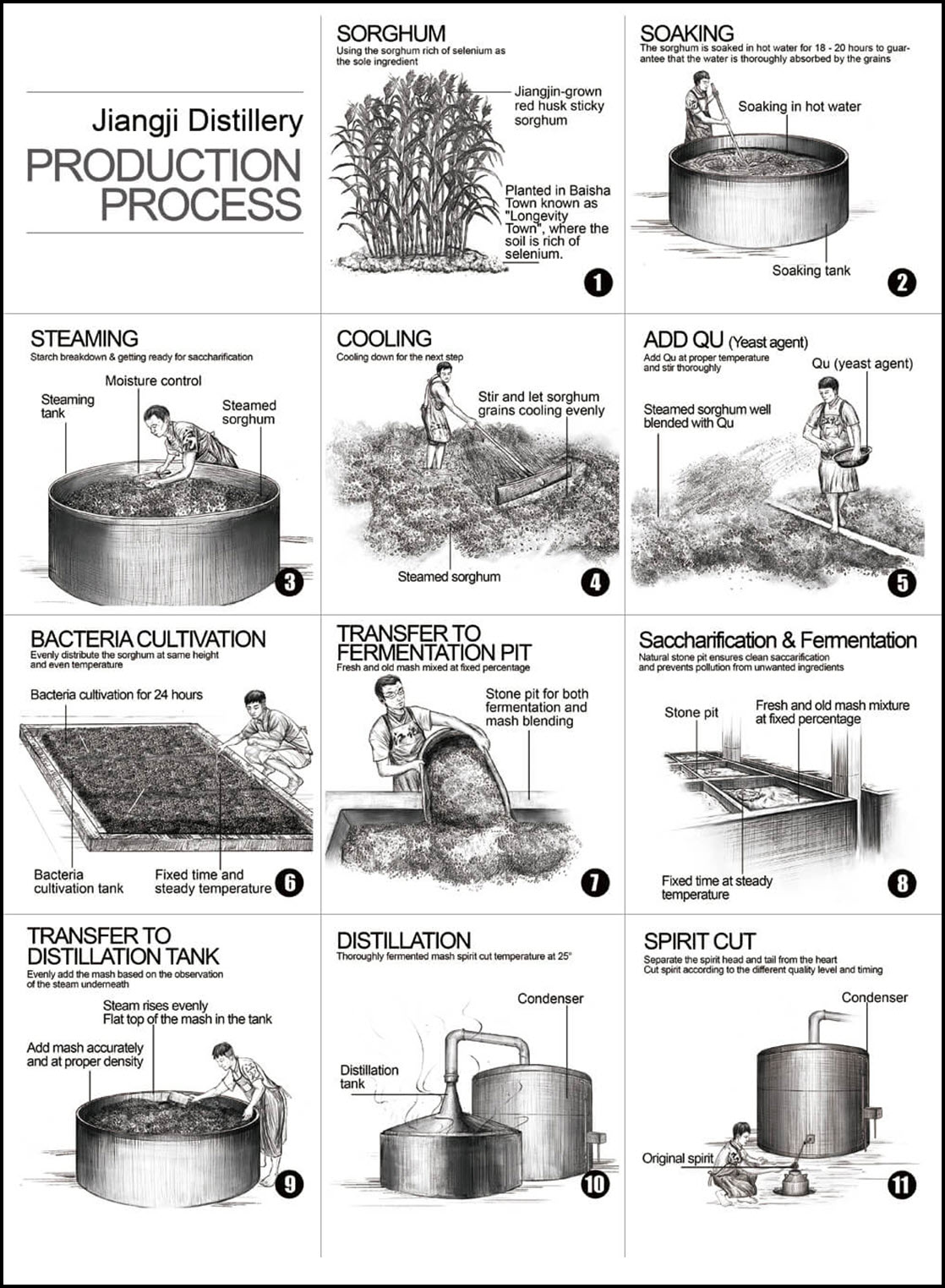
Baijiu is typically made from one or a combination of sorghum, wheat, rice, sticky rice, or corn; but the biggest differentiator between baijiu and other spirits involves fermentation.
All baijiu products utilize a special fermentation agent called qu — a cake-like brick of mold, yeast, and bacteria, combined with cultivated grains. The microorganisms in the qu (pronounced “chew”), serve to stimulate both the processes of saccharification (the conversion of carbohydrates into fermentable sugar) and fermentation. Meanwhile, other grain spirits treat these separately: saccharification occurs through malting or mash cooking. After the sugars have been converted, yeast is added to begin fermentation.
Without the restrictions placed on other global spirits, baijiu is celebrated for its diversity. Thanks to differences in geographical influences, distinctive traditions, production methodologies, and more, there are a broad range of unique expressions and flavors within the baijiu category to enjoy.
The Jiangji Distillery offers a good infographic of how baijiu is often made. Similar to whiskey this is a guide and actual methods vary by distillery.
Baijiu vs. Whiskey
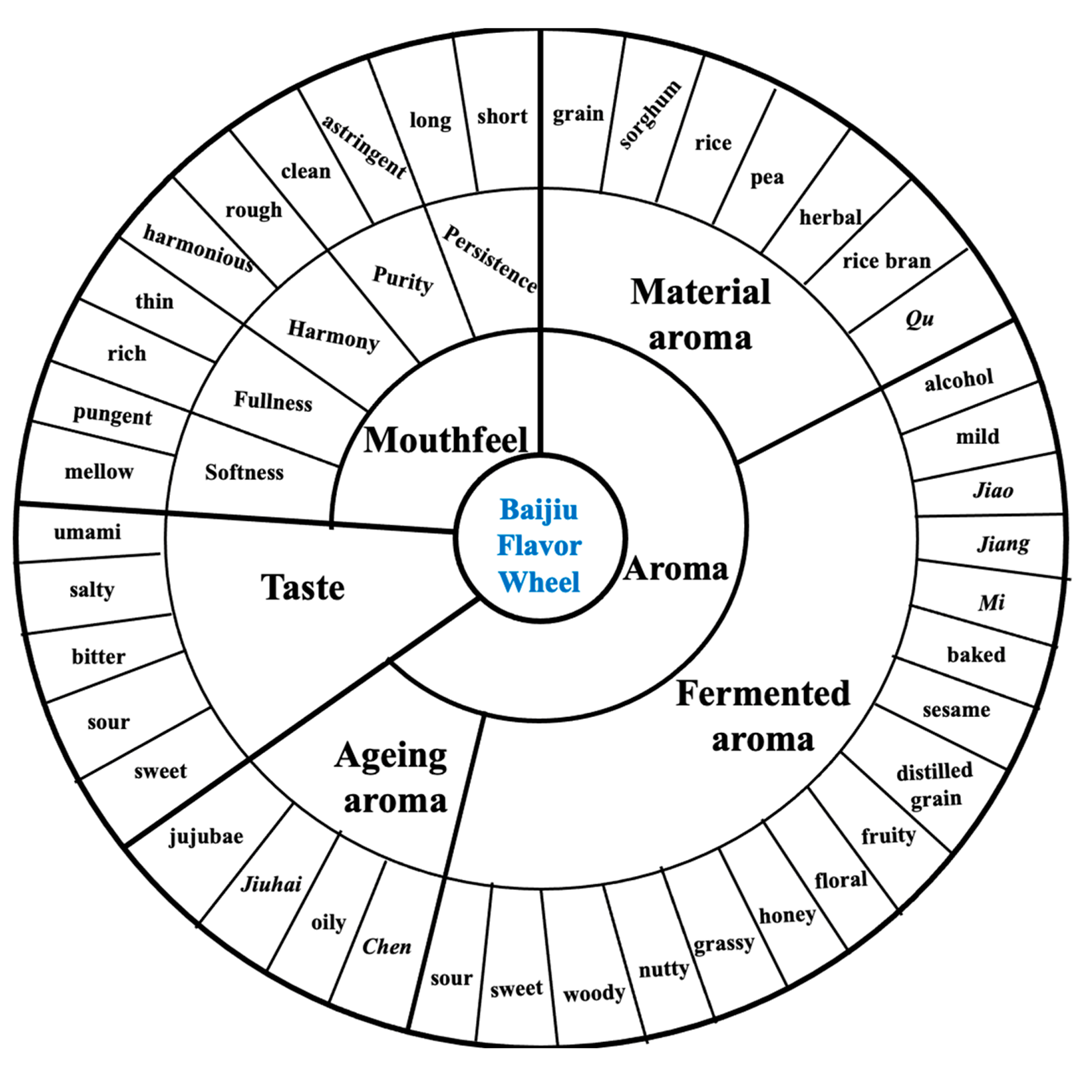
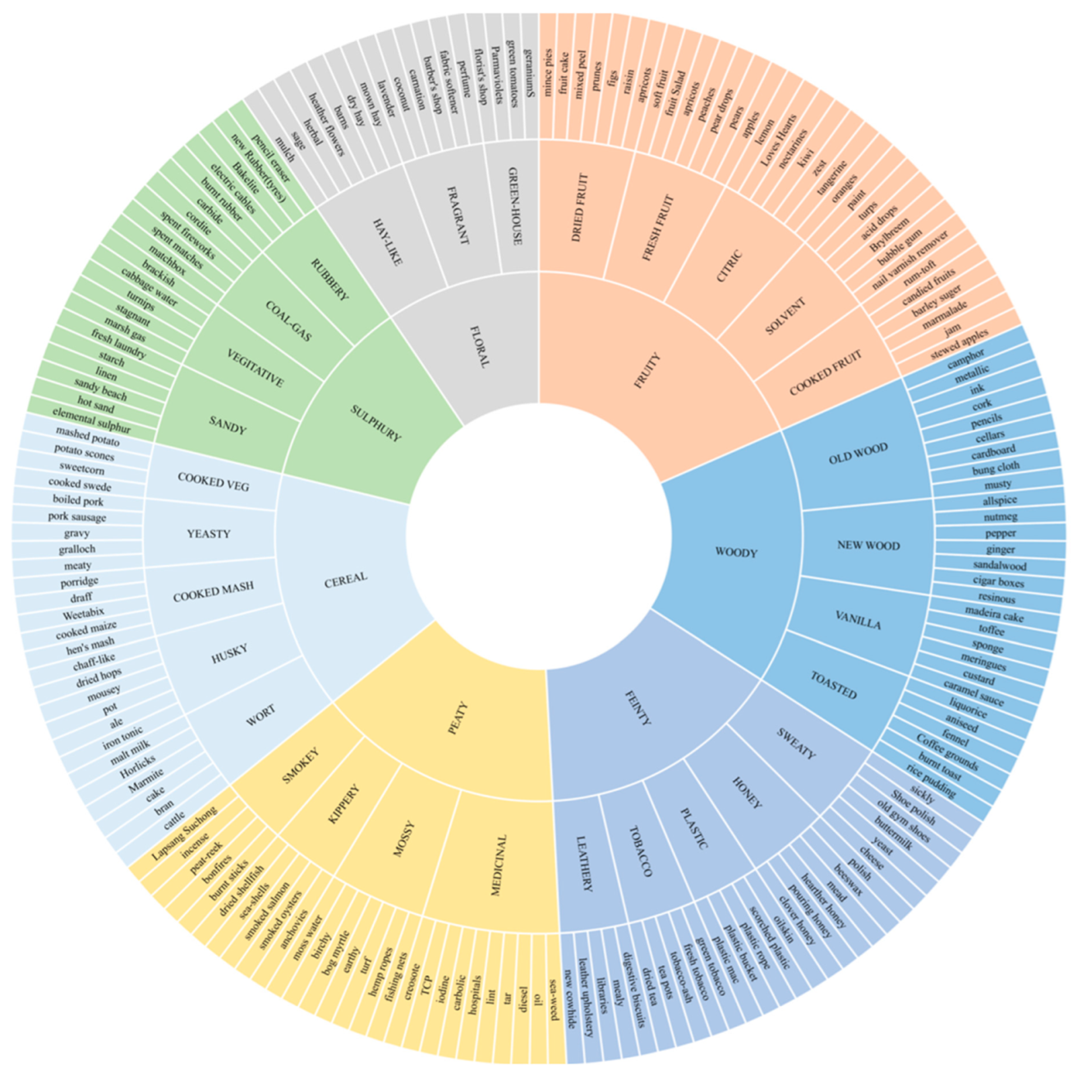
Baijiu and whiskey have a lot in common yet they have a lot of differences as well. Here are a couple of flavor wheels as published by the National Center for Biotechnology Information, so you can see the variations in categories and words used to describe these two unique spirits from the eastern and western world. Click either flavor wheel to enlarge.
What is the Future of Baijiu?
While baijiu continues to be a Chinese staple, consumers in other parts of the world are beginning to appreciate the versatility of the spirit.
Since 2015, festivals and events held around the globe have celebrated World Baijiu Day every August 9. Meanwhile, the Chinese government has begun to actively promote baijiu tourism as bars offering flights and cocktails starring the spirit pop up across the country. And when it’s been infused in everything from ice cream to pizza, you can drink your baijiu, and eat it too!
For World Baijiu Day, consider trying something new. Baijiu America can help you find out where to buy a bottle in the US. Once you’ve gotten your hands on the spirit, consider organizing your own virtual baijiu tasting with friends, experimenting with building a flight, or learning a cocktail recipe to enjoy at home.
Just make sure to toast by raising your glass and saying, “Ganbei!” (Translation: Cheers or Bottoms Up!)
Baijiu: The World’s Bestselling Liquor Explained!
Please help to support Distillery Trail. Sign up for our Newsletter, like us on Facebook and follow us on Instagram and Twitter.